
Research Overview
Wildlife and Comparative Genomics
Genome Anchoring
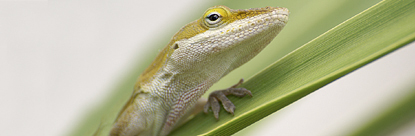
As part of our ongoing interest in comparative and wildlife genomics, the lab is using molecular cytogenetics to anchor the genomes of several vertebrate species, including the South American Opposum, Green Anole, Guinea Pig, African Elephant and Brown Bat. This project, in collaboration with the Broad Institute/MIT, uses multicolor FISH technology to assign and orient large segments of the emerging genome assemblies to their precise chromosomal location.
Recent work was completed to map the genome of the Anole, in which we identified the sex chromosome system as being that typical of mammals. For full details click Nature link and see associated press release at NCSU newslink
Comparative Genomics
The appication of cytogenetics plays a key role in developing a better understanding of how genomes have been reorganized during speciation. We are able to apply molecular cytogenetic reagents developed in one species to the chromosomes of other species as a means to compare gross genome organization among species. Presently we are using molecular cytogenetic reagents that we have developed for the domestic dog to study the comparative genome organization in a range of wild canid species.
Wildlife Cancer
Free ranging and captve wildlife suffer from a diverse range of health concerns, one of which is cancer. We are interested in using molecular cytogenetics to study the genome organization of cancer cells in malignancies diagnosed in wildlife.
Cancer in wildlife has recently received increasing attention as we appreciate the wide range of health impacts of environmental change on both humans and animals, and that wild animals can serve as sentinels for human health. Every year approximately 200 live adult California sea lions (Zalophus californianus) strand along the west coast of the USA and are admitted to animal hospitals for care. Strikingly, almost 20% of adult animals that die in treatment have aggressive, widely metastatic carcinomas of urogenital origin. The cause or causes of such a high prevalence of tumors in this population is unknown. As a member of the Sea Lion Cancer Consortium (SLiCC), we are investigateing the genomics of urogenital carcinomas in stranded and beached sea lions.
